
Defies Logic – the Problem Part 1
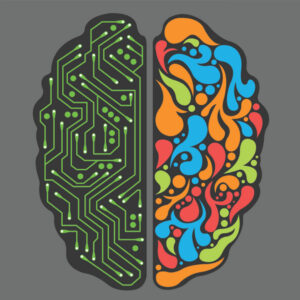 I was listening to these two people arguing about what was going on in the Real World and they made no sense at all to me. I could not understand the logic one was using against the other; the logic eluded me. However, each was convinced they were right, of course. But they were not being logical.
“We are afraid of ideas, of experimenting, of change. We shrink from thinking a problem through to a logical conclusion.” – Anne Sullivan
If you struggle with understanding another person’s logic or somehow applying logic to your own decisions or arguments, then let us break it down, so we can draw a logical conclusion. There are several forms of logic. The logic we use for our decisions and arguments includes deductive and inductive reasoning. However, there are some big misunderstandings and issues around our making and observing logical decisions and arguments that we need to first address and overcome.
Logic is a system of thoughts and methodology that uses reason to determine if a conclusion is true, false, or proper. A person using logic will conclude by looking at the given facts and information and drawing a conclusion based on that information or methodology. There are three major factors that affect you making valid logical decisions and arguments:
- Facts and Information
a. Proper sourcing of valid and appropriate facts and information: personal experience, education, others, internet, and/or experts
b. Determining the proper number of valid facts that you need
c. Knowing, understanding, and accepting all and only valid and necessary facts (the truth, the whole truth, and nothing but the truth) - Emotions, Feelings, Opinions, Beliefs, and Identity
a. Emotion, feelings, opinions, beliefs, and identity issues (as detailed in ONLY HUMAN: Guide to our internal Human Operating System (iHOS) and Achieving a Better Life) are all adversaries to logical thinking; obstructs your IQ
b. Only agreeing with the facts that match your opinions, beliefs, and identity and ignoring the relevant facts that do not
c. Arguing and attempting to only logically prove your already exiting emotions and feelings and established opinions, briefs, and identity
d. We are so committed to our emotions, opinions, and beliefs that we will sacrifice meaningful relationships when it comes to making logical decisions and arguments - Routine and Purpose
a. Not thinking outside the box (not being open to change; the same old, same old)
i. Knowing the answer you want to the problem, before thinking about it
ii. Purposely avoiding or limiting the understanding, acceptance, or sources of new facts and information that are contrary to your opinions, beliefs, and identity
iii. Avoiding the more logical and better decisions that are contrary to the way you usually go
b. Hearing or telling the same story (lie) repeatedly does not make it the truth
c. Needing to be right taking precedence over needing to do right
d. Herd mentality/mass approval, going with the flow
e. The hypocrisy of your logic; in one situation you argue one way, in another situation you argue the opposite way
Follow Norbert

